Work/
Ford Connected Vehicle Software
I joined Ford in late 2022 to help with the effort to revolutionize how the company produces software. It was an amazing experience learning about the automotive industry and the unique software challenges of a real-time, safety critical, distributed systems environment.
The Fully Networked Vehicle (FNV) Architecture
Ford started developing the Fully Networked Vehicle architecture in ~2017 in response to competitors like Tesla introducing vehicles that were designed to allow software to completely manage vehicle systems.
A software-driven architecture is capable of receiving over-the-air updates to add functionality or address issues in the field, but also enables more advanced software features such as SAE Level 3+ autonomous driving that were beginning to become more commonplace across the industry.
To help build the foundation for the Fully Networked Vehicle, Ford quietly acquired a large number of BlackBerry staff and facilities in 2017, who quickly started cultivating a modern software development culture at Ford, and began building several core FNV modules:
- Telematics Control Unit (TCU)
- Enhanced Central Gateway Module (ECG)
- Infotainment Module (SYNC)
- Advanced Driver Assistance Module (ADAS)
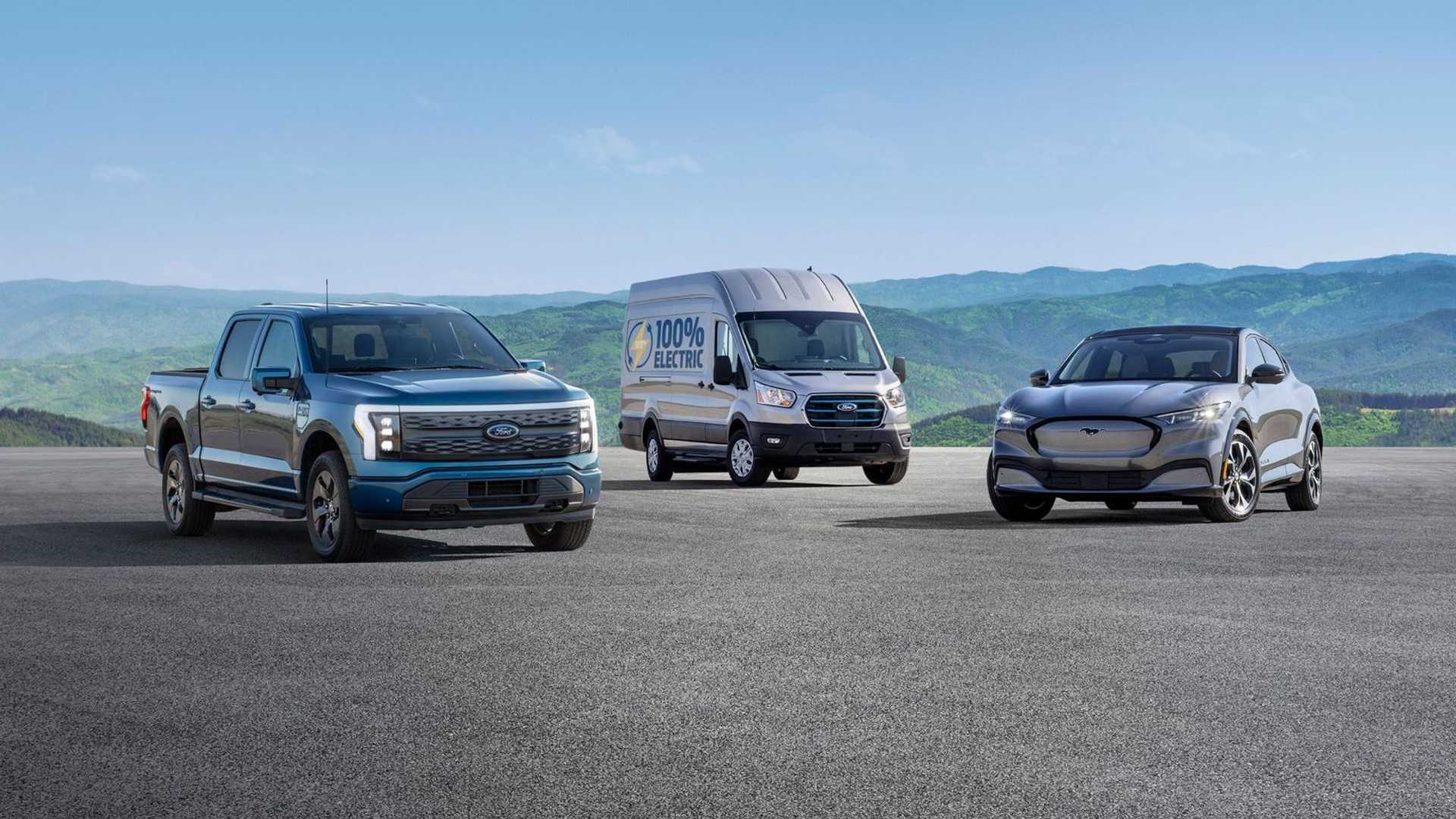
The 2021 Mustang Mach-E and F-150 were the first vehicles to ship with the new FNV2 architecture, allowing for over-the-air updates to be delivered to nearly every module in the vehicle, and eventually (with an update) providing Bluecruise hands-free self-driving.
My Role
I joined Ford’s testing organization, eventually re-branded to “Verification & Validation.”
My role was to help improve Ford’s automated testing of software components by providing tools, frameworks, and guidance to the teams responsible for testing both in-house Ford software as well as software that delivered to Ford by suppliers.
My team maintained a set of libraries and frameworks called “TAT” - “Test Automation Tools.” TAT’s lineage traces back to BlackBerry, and helps abstract away things like CAN bus, test environment configuration, logging, results reporting, etc. so that teams can focus on writing tests and diagnostics tools.
Along with TAT, my team also managed the infrastructure that ran tests during pull requests, defending Ford’s codebase against changes that would introduce defects. This involved maintaining a sizable lab of physical ECUs, and maintaining tooling that orchestrates the deployment and execution of tests for every pull request.
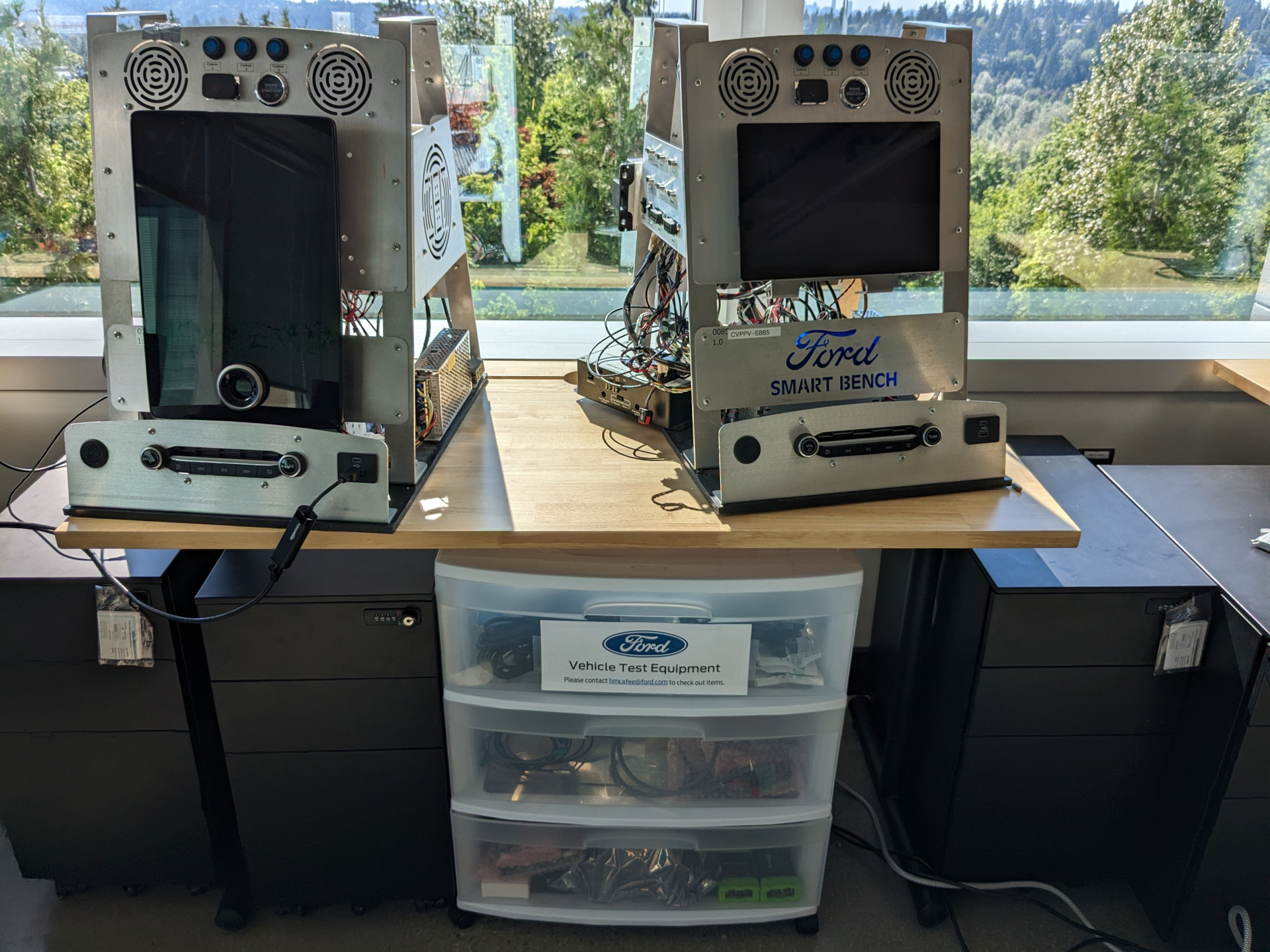
A significant challenge for Ford is extending this style of fully automated testing to their HiL (hardware-in-the-loop) labs. HiL labs wire together larger systems of physical ECUs to simulate portions of a full vehicle in order to catch issues that may only occur in a system environment.
Traditionally, the HiL labs relied mostly on manual or semi-automated testing, where test steps are documented in a test management system, and a human executes and verifies the result of each step. TAT, in combination with new AI-enabled test tooling, is being leveraged to help turn existing semi-manual test cases into fully automated test scripts that can be dynamically executed against standard HiL benches, similar to how pre-submit manages testing at the ECU level.
My team also enhanced traceability at Ford, building a system that synchronized data from the various tools used for requirements, work tracking, release tracking, and test tracking. With one uniform data model, we could generate reports that traced requirements through implementation to test results, and determine the quality level of a particular software release, and whether we had sufficient test coverage of the original requirements.
My Experience in Photos
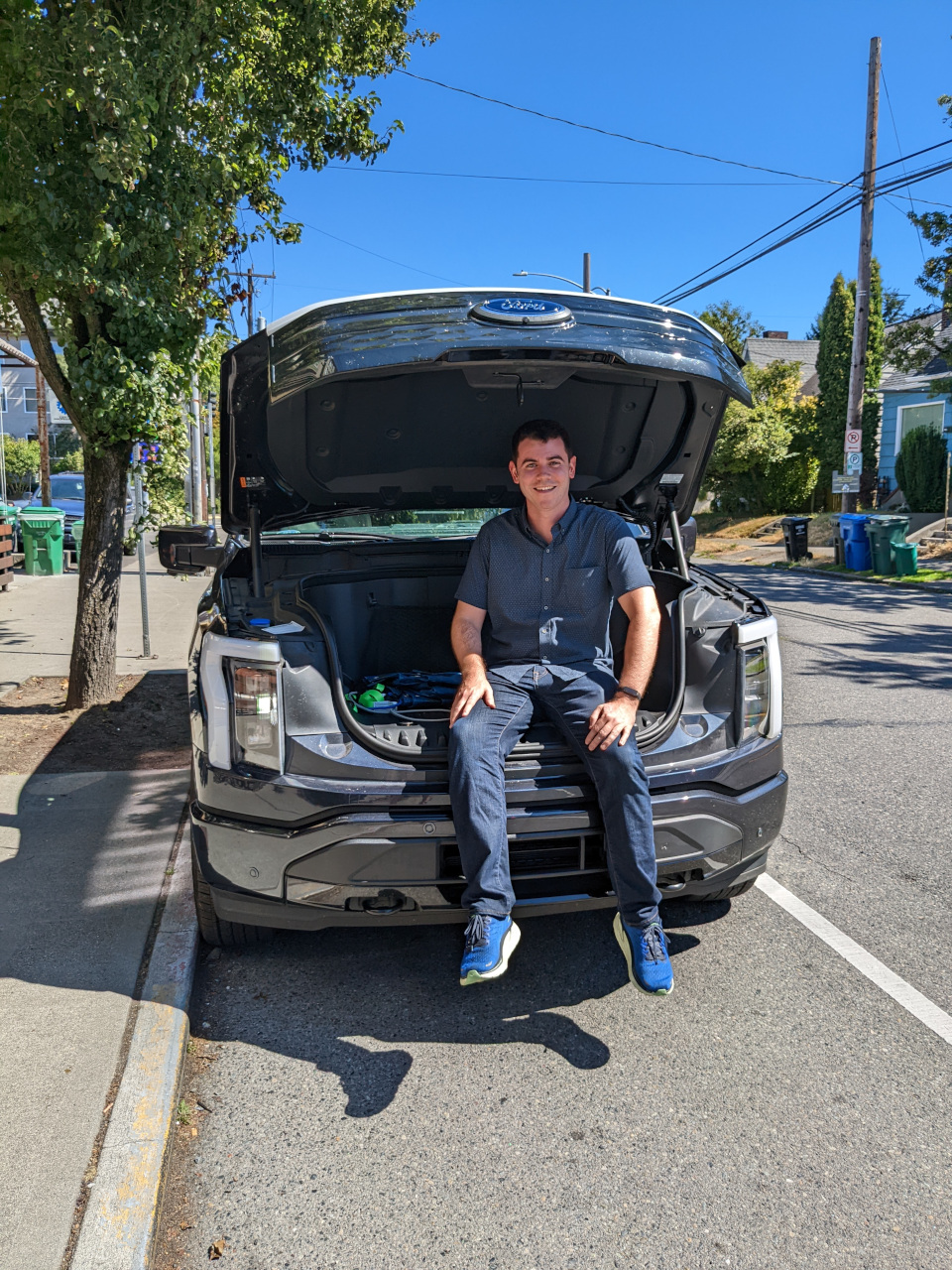
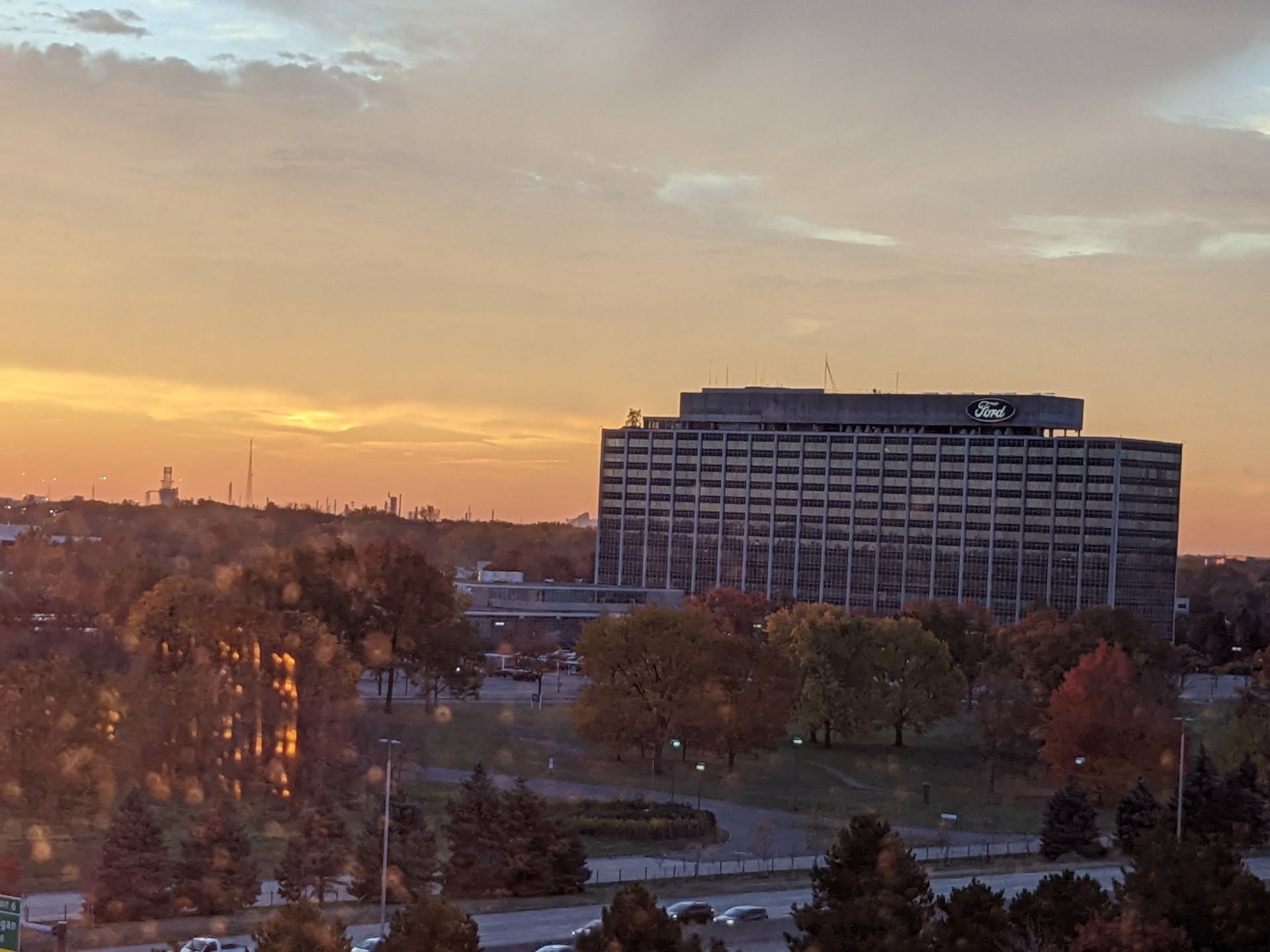
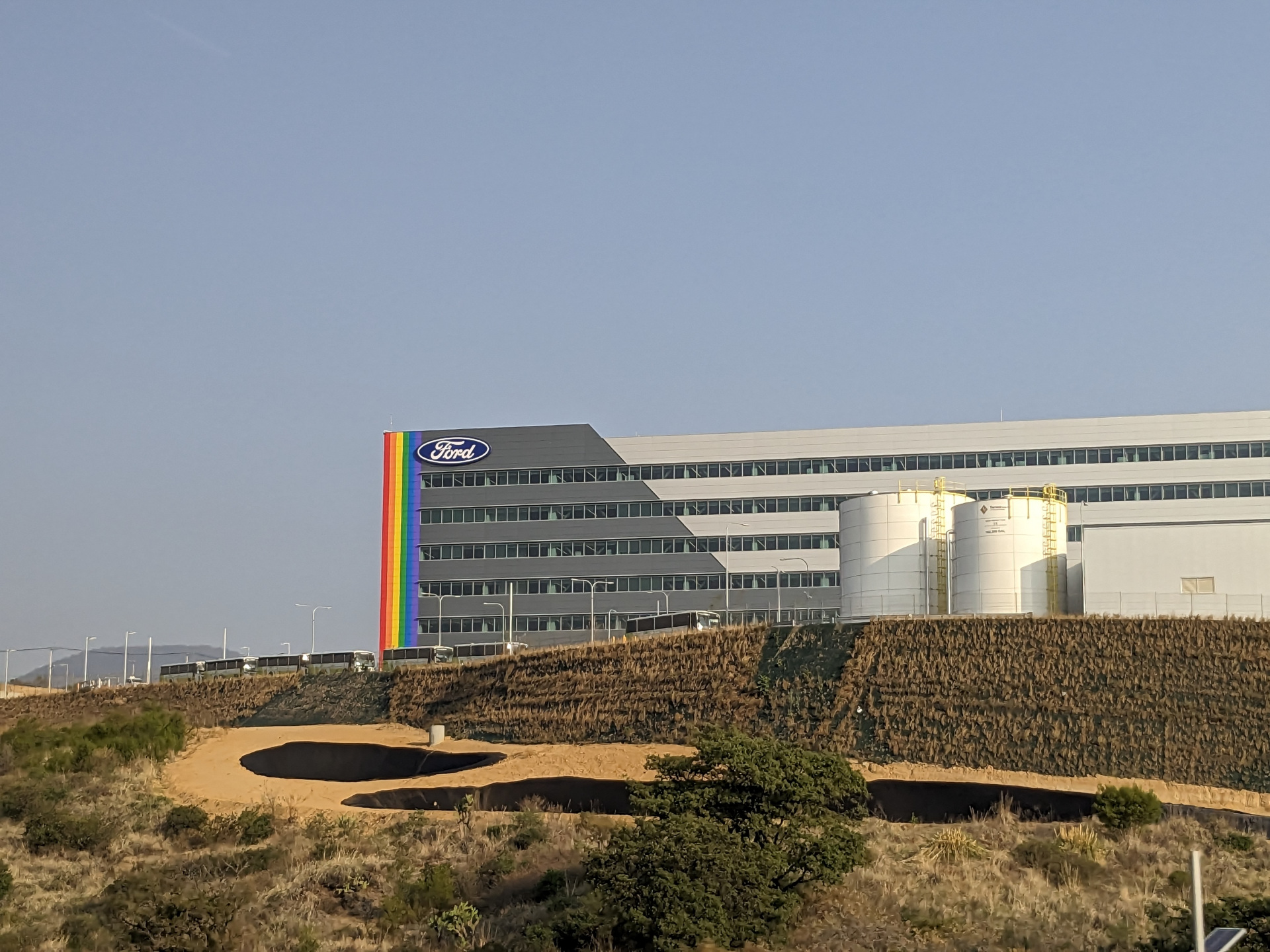
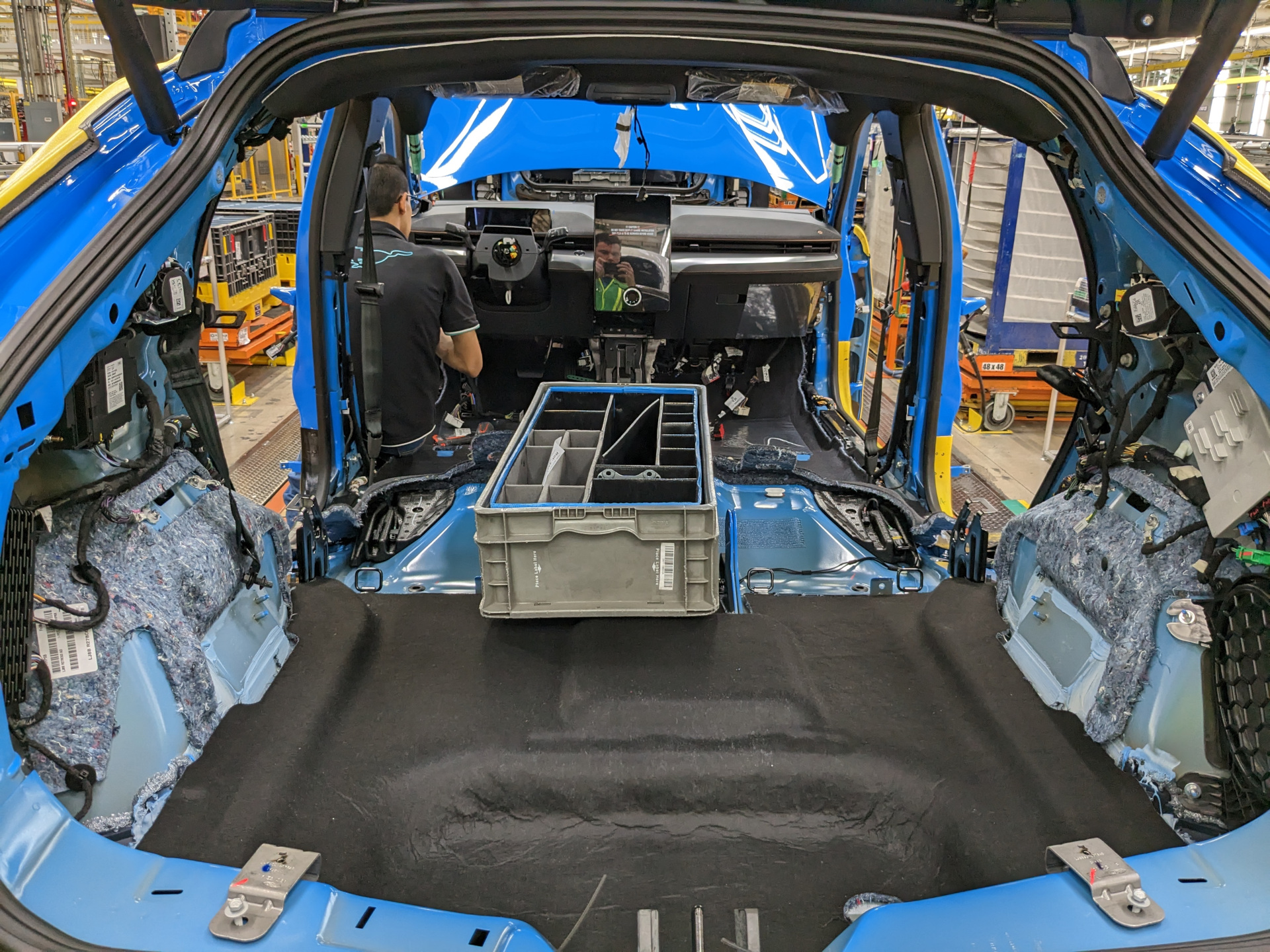
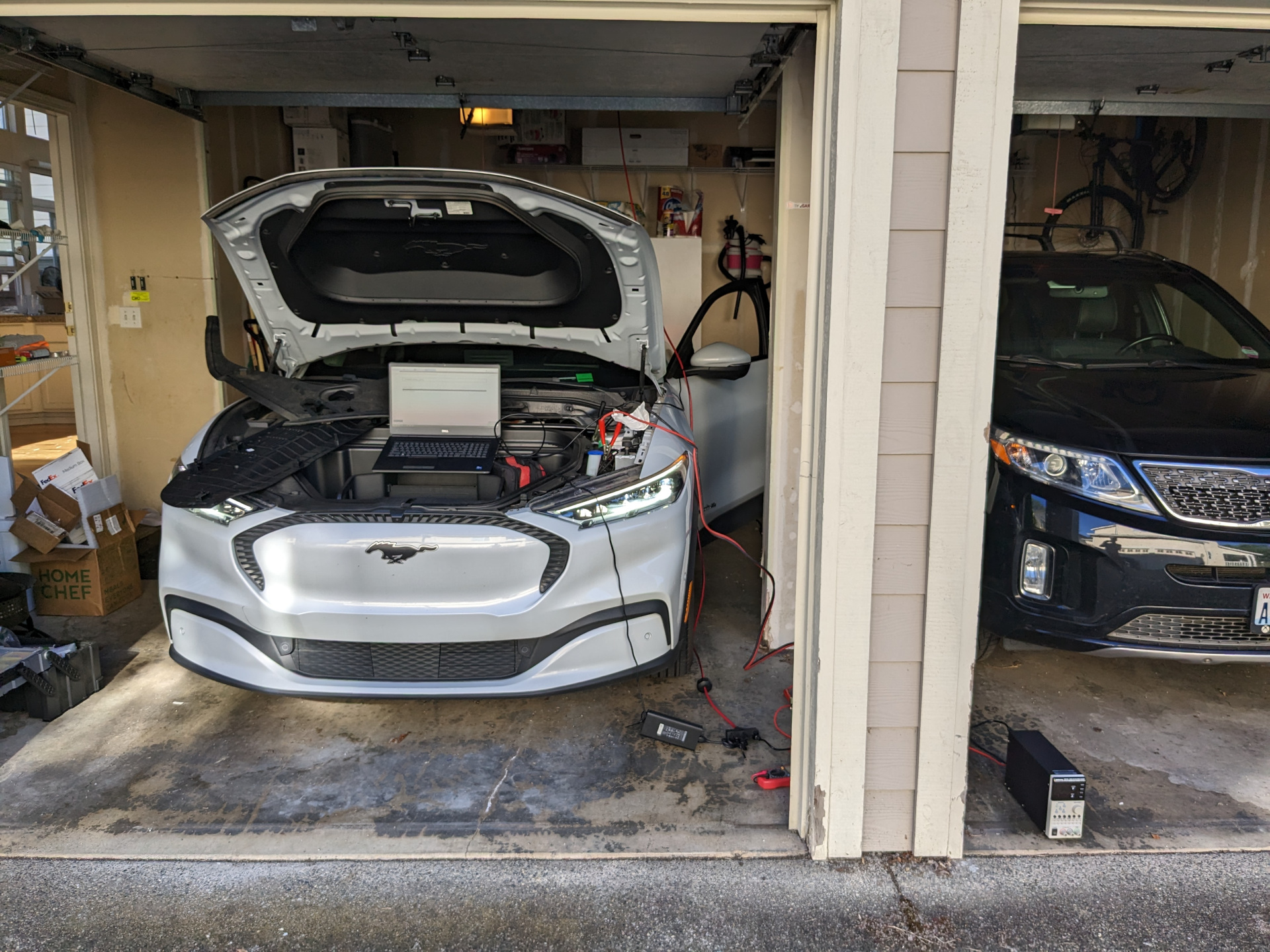
I was fortunate enough to have Ford fly me to several of their offices across North America for an in-person introduction to my colleagues and the various development, manufacturing, and testing facilities. Here are some photos of those experiences!